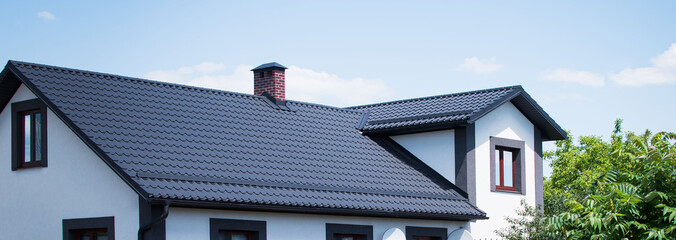
A well-maintained roof protects your home and saves you money in the long run. It also adds value and curb appeal.
Regular visual inspections after severe storms can prevent costly repairs later on. In addition, a reputable roofing company can apply protective coatings and sealants that help extend your roof’s lifespan. Contact Cedar Park Roof Repair for more information.
Clean Your Gutters Regularly
Gutter systems are a key component of your roof, enabling water to flow freely from the roof and away from your house. This helps prevent foundation problems, rot, pest infestations and other structural issues. However, if gutters become clogged with leaves, dirt, twigs, and other debris, they can’t do their job. Clogged gutters cause a host of problems, including roof leaks, mold growth, and water damage to paint, walls, and siding.
When gutters are properly functioning, they channel rainwater and melted snow to downspouts and away from your home. They also help prevent soil erosion and protect fascia and soffit materials. In addition, they can help reduce the risk of ice dams and other roofing damage. However, if you neglect your gutters, they can easily become clogged and stop working.
Regularly cleaning and repairing your gutter system can significantly extend its life. You should clean it twice a year, especially after fall and spring when leaves and other debris tend to build up. In addition, you should hire a professional to clean your gutters at least once every other year to ensure they are free from obstructions.
When left untreated, moss and algae can lift shingles and create points of entry for water into the house. It’s important to remove these substances regularly, especially in coastal areas with high moisture levels. A broom, soft-bristle brush, and some water can help get the job done. If moss is particularly stubborn, consider using a specialized moss cleaner to avoid damaging the roof.
In colder climates, clogged gutters can lead to ice dams, which form in the winter and force water back up under the shingles. These can cause leaks in the roof, structural damage, and other costly repairs. Gutter cleaning is an essential part of maintaining a functional roof, and it’s crucial to schedule routine maintenance services with your local roofing contractors.
Whether you’re hiring a professional or doing the work yourself, it’s essential to have a good ladder. This allows you to access the attic and roof safely, and enables you to inspect the condition of the shingle surface for any cracks or gaps. Small problems, such as missing shingles or worn flashing, should be fixed right away to avoid leaks and other damage.
Inspect Your Flashing
The flashing is a crucial component of any roof, protecting against leaks at the joints and penetration points of chimneys, vents, skylights, and other architectural features. During regular inspections, check the flashing for signs of rust or dents and make sure that the sealant is intact. Over time, the sealant will naturally degrade and should be replaced as necessary. Missing or damaged shingles are also common problems that need to be addressed promptly. Even tiny vulnerabilities can lead to significant water damage, especially in the Lower Mainland’s rainy climate, where freeze-thaw cycles can exacerbate them.
A well-functioning gutter system is another important component of your roof’s longevity. A clean, properly-adjusted gutter system channels water away from the foundation and roof edge, preventing backing up and overflow, ice dams, and erosion of roofing materials. It also protects fascia and soffit components. It is essential to keep the gutters and downspouts clear of debris, including leaves, twigs, branches, and pine needles.
In addition, inspect the attic and crawl spaces regularly to ensure that they have proper ventilation. Without it, heat and humidity build up inside the attic and can damage shingles, cause them to age prematurely, and create mold and mildew problems. Check for a musty or “old” smell, which indicates that the attic or crawl space is damp and needs to be ventilated.
If you notice that a leak or other problem persists, consider consulting with residential roofing companies for detailed inspections and professional repairs. These experts can identify the underlying problems and provide effective solutions that maximize your roof’s lifespan.
The roof is a key investment for homeowners, and it provides an important shield against the elements. With proper care and preventative maintenance, it can last decades and serve as a valuable asset for the comfort and safety of your family and home. This guide will teach you practical, proven strategies that can help extend your roof’s lifespan and save you from costly repairs or early replacement. Read on to learn more!
Trim Trees
A roof represents a major investment that’s critical to protecting your home and family from the elements. Whether your roof is new or older, proactive maintenance can extend its life and prevent the need for early replacement.
Proper tree trimming can help protect your roof from damage during heavy storms, as well as prevent branches from falling on your house or power lines. It can also minimize shade and moisture that lead to rot or moss growth. While pruning can be done year-round, it is best to do so during the winter when the trees are dormant, allowing for more accurate cutting and prompt wound closure.
Overgrown tree limbs can scratch your roofing materials, damaging shingles and causing them to lose their protective granules. This leaves your shingles vulnerable to UV rays and other harsh weather conditions. Properly trimmed limbs can also reduce the weight of snow and ice that can stress roofing components or lead to water leaks in your home.
It’s also important to keep your gutter system clean of debris, especially before a storm. Clogged gutters can cause shingle damage, so having your roof and gutters cleaned by a professional is an important part of preventive care that can extend the life of your roof.
Regular cleanings can extend the life of your roof by removing the buildup of organic matter that promotes moss, algae, and lichen growth. These can be safely removed by a professional using soft-bristle brushes and hand scraping or a low-pressure wash, but should never be done with high-powered spray equipment that may erode or loosen roofing materials. During your roof cleaning, you should also look for any cracks or holes that need to be repaired. In the Lower Mainland’s rainy climate, even tiny vulnerabilities can lead to significant water damage when left unaddressed. Likewise, sealants and caulking naturally degrade over time, so it’s important to re-apply them as needed. This includes resealing around chimneys, vents, and valleys, and re-caulking any cracks or gaps that are exposed to freezing or melting cycles. This is particularly important for coastal homeowners.
Inspect Your Attic
Inspecting your roof and attic regularly is one of the most important roofing maintenance tips to extend the life of your roof. Even small issues can quickly escalate into major problems if left unaddressed. It is especially crucial to inspect your attic and roof after rainy or snowy weather, and before the summer heat arrives.
In addition to checking for shingle damage and looseness, look for signs of water leaks in your attic or ceiling. Water stains on the rafters or roof decking (the wood that the shingles are nailed to) are an early warning sign of leaks and should be addressed right away.
Another important inspection tip is to check for moss growth and debris buildup. It is best to hire a professional for this, since concentrated sprays from power washers can loosen and remove the granules from asphalt shingles. This can cause premature deterioration and void any remaining warranty.
The attic is also an excellent place to spot insulation issues. Proper attic insulation improves home comfort, saves energy, and extends the lifespan of your roof. However, if your attic insulation is blocked or compressed, or if it becomes saturated with moisture, it can lead to the development of mold and rot.
Make sure to inspect the attic and roof vents as well, to ensure that they are open and free of obstructions. Insufficient ventilation causes excess heat to accumulate in the attic, which damages the shingles and leads to rotting of roof wood. Check for a musty odor, which is usually a sign of insufficient ventilation.
Finally, it is wise to inspect for signs of ice dams. They are a common cause of water leaks and should be addressed immediately. For best results, use a roof rake to remove accumulated snow without damaging the roofing materials. In areas prone to ice dams, consider adding additional attic insulation and ventilation or installing heated cables.
These simple maintenance tasks can help protect your Pittsburgh roof and prolong its life. If you are unsure how to properly conduct these maintenance activities, or would like help maintaining your roof and attic, contact Action Roofing today. Our knowledgeable team can help you create a comprehensive roofing maintenance program to protect your investment.