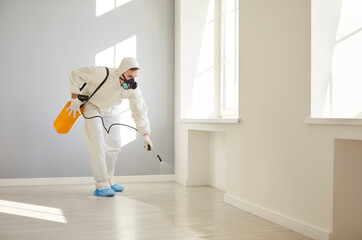
Pest Control Vero Beach professionals identify pest types, inspect hidden zones and apply safe and targeted treatments. Homeowners play an important role in making these visits successful by clearing and preparing areas to be treated.
For example, mopping floors before a perimeter spray prevents the treatment from bind to a dirty surface. This ensures pests can be killed more effectively and reduces over-treatment that contributes to pesticide resistance.
Treatment Areas
As part of a pest control treatment, a technician will identify and locate areas of the property where insects are most active. They may also note areas that support the pests’ life cycles, such as dark corners or places where water collects. This information helps them develop the best course of action to eliminate and prevent pest infestations.
The exact approach depends on the type of pests and how severe an infestation is. For example, if pests are invading a home or business’s dining room, baiting is usually the recommended method of attack. However, if the problem is more widespread, fumigation may be needed to ensure long-term success. Developing a tailored strategy also allows technicians to offer cost-effective options for each client’s needs.
Before the actual treatment begins, the pest control specialist will ask you to help prepare your space. This could include throwing away uncovered food or clearing surfaces to prevent contamination. It is also important to move items away from walls or shelves so the exterminator can reach them. This enhances the effectiveness of your treatment and helps reduce the number of pests hiding in untreated spaces.
During an inspection, the technician will also look for entry points and other signs of infestation. For example, droppings or bite marks can indicate a pest problem and can be used to identify the species involved. The inspector will note other problems, such as gaps around plumbing or the presence of drain flies, and make recommendations for corrections.
Many homeowners and businesses overlook simple steps to prevent pests from invading. This includes keeping surfaces clean, securing trash bins, and sealing entries to reduce insect populations and re-infestation. A pest control company can offer ongoing services, including regular inspections and follow-up treatments to reduce the likelihood of re-infestation and protect people’s health and safety.
For businesses that rely on food deliveries, a pest control service can provide recurring treatments to prevent pests from entering and damaging inventory. It can also educate staff on pest prevention, such as locking containers and securing entrances. This can reduce the need for chemical sprays and other harmful pesticides, which is great news for the environment and your wallet!
Safety Precautions
Depending on the pest control treatment required, the exterminator will recommend a combination of spray applications, dusting, bait systems and other targeted solutions to eradicate unwanted pests. They will also give detailed explanations of what to expect and how the treatment will work, making it clear for clients to understand what’s happening throughout the process.
Modern pest control is all about transparency, and that’s especially important when it comes to safety. Your trusted exterminators are always mindful of your family, your pets and the environment. They use safe chemicals and targeted application techniques that minimize disruption while maximizing results. They will advise you on ventilation times, cleaning schedules and re-entry guidelines so that your home is comfortable and safe during and after the service.
Before a pest control treatment begins, your exterminator will ask you to perform simple tasks, like clearing the kitchen counters or sealing food items, moving furniture away from walls and vacuuming carpets, to ensure that all areas are treated. This helps them achieve the best, most long-lasting results and prevents pests from hiding in untreated zones.
Once the treatment is underway, your pest controller may apply sprays around the exterior of your property and in any rooms that require extra attention to specific pest problems. If you have children or pets, you may need to move them to a safe place for the duration of the treatment. Alternatively, you can ask them to take them to a friend or relative’s house for the day so that they don’t get in the way of the pest control work.
It’s also a good idea to leave windows open and use fans for air circulation during and after the treatment. This will help to speed up the drying time of any pesticides and minimise the risk of inhaling fumes or spray residue.
When your pest control treatment is complete, it’s important to stay away from any treated areas until they are fully dry. This usually takes about two hours on a sunny day, but your technician will let you know what the exact timeframe is, so that you can plan accordingly.
Observation Period
It’s important for the pest control technician to observe and evaluate both the infestation, and conditions that support the pest’s life cycle. They will take note of droppings, bite marks, nests and other indicators that will help them determine what type of pest they are dealing with. It’s also critical that they thoroughly inspect both the interior and exterior of the property, including pantries, closets, under sink areas, attics, crawl spaces and garages. They will also examine windows and doors for pest entry sites, and assess whether soffit vents are properly sealed. They may also check if air conditioning vents are open and free of obstruction, and ensure attic and soffit vents are protected with bird screens.
Pests are sneaky little creatures, and they can often fly in through unsecured door or window screens. They can hide in nooks and crannies, under washing machines, in drains, or behind refrigerators and stoves. Therefore, it is quite common for homeowners to see odd cockroaches in the house in the first week after treatment. This is a good sign that our treatments are working, as healthy cockroaches will hide during daylight and only come out at night to search for food.
Rodent prevention treatments usually involve installing bait stations in key locations that rats and mice tend to frequent, such as ceiling voids or subfloors. It’s important to make sure these bait stations are pet and tamper proof. Once the rodent population is controlled, we will return to monitor the area. It’s also important to remember that pest control is a long-term process. Even if you feel your pest problem is controlled, it’s important to allow the treatment to work for a few weeks before calling us back for a follow up visit.
Follow-Up Visits
It’s common for pest control professionals to recommend follow-up visits to your home. These visits help ensure that the treatment was effective and prevents future infestations from developing. You’ll be encouraged to maintain your regular cleaning habits and keep food in tightly sealed containers in order to reduce future pest activity.
Depending on the type of pest control service you need, your technician will recommend specific follow-up measures. These steps could include sweeping the perimeter of your home and removing debris from around the property. You’ll also be prompted to empty all trash cans and clean all areas where pests are known to hide. You’ll also be advised to wipe down kitchen and bathroom counters to remove crumbs that can attract pests.
Your pest control technician will be happy to answer any questions you may have during and after the treatment. They can also recommend additional services that you may need in order to effectively treat a pest problem.
When you’re scheduled for a pest control treatment, be sure to keep pets and children safely away from the affected area. Keeping them out of the way allows your pest professional to freely inspect your home and get into tighter spaces that might be hard for you to reach on your own. If your pets are apprehensive or fearful of people, it’s usually best to temporarily kennel them or leave them with a friend or family member until the treatment is complete.
A common misconception is that pest control treatments are “magic bullets” that instantly eliminate all types of pests. This myth probably stems from the fact that over-the-counter aerosol cans of insecticide are sold to consumers that promise instant results. The truth is that it takes time for professional pest control treatments to take effect. It can also take some time for the pests to die from the treatment or flee your home in an attempt to escape.
After a professional pest control treatment, you’ll need to be patient and stick to the recommendations of your pest control specialist. It’s important to avoid scrubbing or wiping surfaces right after the treatment is complete because you might be removing treatment residuals that are meant to prevent pests from returning.