The average household septic tank needs to be pumped every three to five years. Regular pump-outs keep solid waste from overflowing into the drain field where it could cause costly problems.
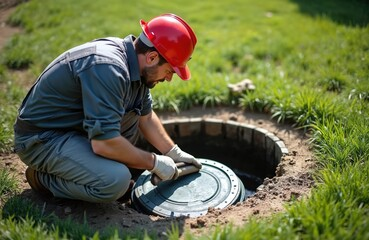
The first step is to locate your septic tank and remove its lid (or manhole). The technician will visually inspect the levels of sludge and scum. Visit Website to learn more.
Septic Tank Inspection
A septic tank inspection is an important part of the home buying process. It evaluates many factors to ensure the system is functioning properly and meets local health regulations. This inspection includes a visual check and other assessments, like a dye test.
A professional home inspector will ask questions about the age of the septic system and when it was last pumped. This helps them estimate how full the tank is and whether it is a good size for the household. They may also look for signs of leakage around the tank and drain field.
The inspection will include removing the tank cover and looking inside for cracks, chips, rusting, or weathering. The inspector will also assess the condition of the baffles. If the tank is overfull, the inspector will use a sludge judge—a long, hollow pole—to measure the height of the scum layer and sludge. This can indicate if the tank was pumped correctly.
After assessing the tank and septic system, they will walk around the drain field to look for cesspools, sogginess, and green or black standing water, which can signal that bacteria are building up. The inspector will also look for vehicle or livestock tracks on top of the system and under the ground, which can damage underground piping.
If the inspector finds an issue, they will recommend repairs that you can have done by a licensed and certified septic tank contractor. They will also provide you with a report that explains their findings and makes recommendations for maintenance going forward.
The best septic tank inspections are performed by PSMA-certified inspectors, who have completed rigorous training and passed exams to show they follow the industry’s best practices for evaluating septic systems. Look for an inspector with this certification, which can help you avoid expensive, time-consuming issues that would otherwise arise. It’s also important to find an inspector with experience in septic tank evaluations so they can spot problems that most homeowners won’t know about.
Pumping
Industrial pump systems are complex machines with a lot of parts that can fail. However, when they are inspected and evaluated on a regular basis it is possible to keep the system operating at peak efficiency and reduce expensive repairs.
All pumps come with installation, operation, and maintenance manuals that spell out inspection and monitoring routines and schedules based on the criticality of the pumping system. These manuals may also reference well-known codes and standards. However, it is often necessary to tailor monitoring to fit the specific application and circumstances of the pumping system.
Inspecting the pump wet end includes checking mechanical seals and couplings, hydraulic cylinders and lines, hoses, and gauges. Checks of the compressor filter and belt, block heater, and glycol level are also important to perform. Pump lubrication is another key consideration. This can include regressing the bearings, checking the oil levels and conditions, and adding more if needed.
Pumps can be prone to damage from inorganic solids that are not part of the waste stream. From construction debris to gravel, mud, and paint to rags and other “flushable” wipes that can be up to 1/8 inch in size, these can cause pump blockages on a consistent basis. Using a grinder pump or other means to chop these solids up helps to prevent the problems.
Other components and parts that need to be inspected are the floats, controls, and wiring. It is important to clean the wet well, dry well, and hopper regularly to prevent odors and insect infestation. Keeping the equipment clean can also help extend the life of the pump and reduce the need for costly repairs.
When the pumps are turned off, it is important to listen for unusual noises or vibrations and to check for elevated temperatures. Finally, it is important to verify that the duty condition is within the range for which the pump was designed to ensure reliability.
Repairs
Septic systems are an important component of many properties, especially those in rural areas without access to public sewer systems. These systems treat and dispose of household wastewater, helping to keep families safe and healthy. However, septic system problems can be dangerous and expensive to repair, so it’s crucial that you have your septic tank inspected regularly. A septic system inspection in Oak Harbor, Whidbey Island, or Anacortes includes a variety of steps that help you determine whether your tank needs to be pumped and identify any potential issues with the rest of your septic system.
First, your technician will inspect the tank’s contents. This involves removing the lid and using a tool to measure the solids and scum layers within the tank. A septic inspector also checks for any cracks or leaks in the tank and its components. Leaking tanks are a serious problem because they can contaminate groundwater and cause wastewater to overflow from the drain field, potentially ruining your yard.
Next, your septic system inspector will examine the tank’s piping and the absorption field. The septic tank’s pipes must be properly sized, constructed, and maintained to ensure that the system functions well. If you have a septic system with a pump, your technician will evaluate the condition of its pump and check for any signs of wear. The septic tank vent should also be in good condition to allow gases that build up in the house to escape.
Lastly, your septic system inspector will review the septic system’s layout to ensure that it is functioning correctly. The absorption field, which is made up of a series of trenches and distribution pipes, should be sized, constructed, and maintained to ensure proper operation and longevity.
Keeping your septic system in good shape requires regular inspection and pumping services, as well as routine cleaning and repairs. A septic system inspection helps you catch problems before they become major, costly issues and keeps your septic tank running smoothly for years to come. If you’re considering purchasing a home with a septic system, have it inspected and pumped before finalizing the purchase.