Exterior surfaces are constantly exposed to changing weather conditions, dust, organic growth, and everyday wear. Over time, these elements accumulate and slowly affect the appearance and durability of outdoor spaces. While many property owners focus on interior upkeep, long-term maintenance truly begins outside. Pressure washing has become one of the most effective strategies for preserving surfaces such as driveways, decks, walkways, siding, and patios. When done correctly and consistently, it helps prevent damage, maintain curb appeal, and extend the lifespan of materials.
Smart Power Washing Services is not simply about blasting away dirt. It involves understanding how different surfaces react to moisture, selecting the right techniques, and creating a maintenance routine that keeps buildup under control. By approaching exterior cleaning with a strategic mindset, property owners can avoid costly repairs and keep their surroundings looking refreshed year-round.
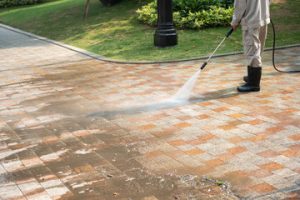
Why Long-Term Maintenance Starts With Exterior Cleaning
Many people underestimate how quickly outdoor surfaces deteriorate without proper care. Dust, algae, mildew, and pollutants cling to concrete and wood, trapping moisture that weakens structural integrity over time. Pressure washing removes these contaminants before they cause permanent damage, making it an essential part of preventative maintenance.
Regular cleaning also improves the performance of protective coatings. Sealants, stains, and finishes last longer when surfaces are free from grime and debris. Instead of waiting until stains become visible, smart maintenance involves scheduling pressure washing as a routine practice. This proactive approach allows property owners to maintain consistency rather than constantly reacting to problems after they appear.
Another important aspect of long-term care is early detection. Cleaning reveals cracks, uneven surfaces, or worn materials that may otherwise go unnoticed. Addressing these concerns early helps maintain safety and prevents minor issues from turning into larger repairs.
Tailoring Pressure Washing Techniques to Different Surfaces
Not all surfaces require the same cleaning method. One of the smartest strategies for long-term maintenance is adapting pressure washing techniques based on material type. High-pressure cleaning may work well for durable concrete, but softer materials like wood or painted surfaces benefit from a gentler approach.
Driveways and sidewalks often accumulate oil stains, tire marks, and layers of dirt that require deep cleaning. Using controlled pressure removes buildup while preserving the texture of the surface. Decks, on the other hand, need a balanced approach that cleans thoroughly without damaging wood fibers or stripping finishes. Understanding these differences ensures that each area receives the right level of care.
Professional pressure washing often includes techniques such as soft washing, which combines lower pressure with specialized cleaning solutions. This method is particularly effective for delicate materials or areas prone to organic growth. By selecting the appropriate method for each surface, property owners can maintain durability while achieving consistent results.
Building a Maintenance Plan That Covers Every Outdoor Area
Creating a long-term maintenance strategy begins with identifying the areas that require regular attention. Instead of treating pressure washing as a one-time task, it should be part of a broader care plan that addresses seasonal changes and usage patterns.
A well-structured routine might include:
- Annual deep cleaning of siding and exterior walls to prevent discoloration and protect finishes.
- Seasonal washing of decks and patios to remove mildew and maintain a safe walking surface.
- Frequent cleaning of driveways and walkways where heavy traffic leads to faster buildup.
- Periodic inspection of shaded areas where moisture tends to accumulate.
By organizing maintenance tasks in this way, property owners can manage exterior care more efficiently. Consistency reduces the need for intensive cleaning sessions and helps maintain a polished appearance throughout the year.
Preventing Surface Damage Through Smart Cleaning Practices
One of the biggest benefits of strategic pressure washing is the prevention of long-term damage. Dirt and organic growth act like a barrier that traps moisture against surfaces, leading to gradual deterioration. Concrete may develop cracks, wood may rot, and painted finishes may peel if contaminants are left untreated.
Smart cleaning practices focus on removing buildup before it becomes embedded in the material. This includes adjusting water pressure, using appropriate angles, and maintaining safe distances from surfaces. Even small details such as cleaning patterns can influence the final result, preventing streaks and uneven wear.
Another important factor is timing. Cleaning during dry conditions allows surfaces to dry quickly, reducing the risk of water-related damage. Establishing a schedule that aligns with weather patterns helps maximize effectiveness and ensures that maintenance efforts deliver lasting benefits.
Enhancing Outdoor Comfort and Safety
Pressure washing is often associated with visual improvements, but its impact on safety is just as significant. Slippery surfaces caused by algae or mold create hazards, especially in areas with frequent foot traffic. Regular cleaning removes these risks and creates a more secure environment for everyday activities.
Decks and patios benefit greatly from consistent maintenance. Clean surfaces feel more inviting and comfortable, encouraging people to spend more time outdoors. Removing stains and buildup also enhances the natural texture and color of materials, making outdoor spaces feel refreshed without major renovations.
In addition to preventing slips, pressure washing improves visibility by brightening surfaces and eliminating dark patches. This clarity helps define walkways and outdoor features, contributing to a more organized and visually appealing environment.
Extending the Lifespan of Outdoor Materials
Long-term maintenance is ultimately about preserving the investment made in exterior features. Pressure washing plays a key role in extending the lifespan of materials by reducing wear caused by contaminants. Concrete remains smoother, wood stays structurally sound, and siding retains its original finish when cleaned regularly.
Here are several ways pressure washing supports material longevity:
- Removes corrosive substances that break down surfaces over time.
- Prevents mold and mildew growth that weakens structural components.
- Maintains protective coatings by clearing away debris that causes peeling.
- Reduces stress on materials by keeping moisture levels under control.
These benefits highlight how consistent cleaning contributes to both performance and appearance. Instead of replacing worn surfaces prematurely, property owners can maintain them through smart care practices.
Preparing Surfaces for Seasonal Changes
Seasonal transitions often bring unique challenges for outdoor maintenance. During certain times of the year, surfaces may collect more debris, pollen, or moisture. Pressure washing helps prepare exterior areas for these changes, ensuring that buildup does not accumulate over time.
Before applying stains or sealants, cleaning is especially important. A clean surface allows new finishes to bond properly, improving durability and preventing uneven results. Pressure washing also helps clear away loose particles that could interfere with future maintenance projects.
By incorporating cleaning into seasonal preparation, property owners can reduce the workload required later. This forward-thinking approach aligns with the concept of long-term maintenance, where small efforts today prevent larger tasks tomorrow.
Environmental Awareness in Modern Pressure Washing
As sustainability becomes a growing concern, pressure washing techniques have evolved to prioritize efficiency and environmental responsibility. Many modern strategies focus on using less water while achieving better results through targeted cleaning methods. Soft washing and eco-friendly solutions help break down contaminants without excessive pressure, protecting both surfaces and surrounding landscapes.
Responsible runoff management is another important consideration. Smart cleaning practices involve directing water flow away from sensitive areas and ensuring that debris is handled properly. These methods allow property owners to maintain cleanliness while minimizing environmental impact.
Choosing thoughtful pressure washing strategies reflects a broader commitment to sustainable maintenance. By balancing effectiveness with environmental care, exterior cleaning becomes a responsible and forward-looking practice.
Creating a Consistent Routine for Lasting Results
The most effective pressure washing strategy is consistency. Waiting until surfaces look heavily stained often requires more intensive cleaning, which may increase the risk of wear. Establishing a routine that focuses on gradual upkeep ensures that exterior areas remain in excellent condition with less effort over time.
Consistency also supports visual harmony. Clean driveways, refreshed decks, and well-maintained walkways create a cohesive appearance that enhances the overall atmosphere of a property. This sense of order contributes to both comfort and pride in ownership.
Long-term maintenance is not about achieving perfection in a single session but about maintaining steady care. Small, regular efforts accumulate into lasting results, preserving both the beauty and functionality of outdoor spaces.
Final Thoughts
From driveways to decks, smart pressure washing strategies offer a powerful way to protect and maintain exterior surfaces. By combining thoughtful techniques with consistent routines, property owners can prevent damage, enhance safety, and extend the lifespan of their outdoor features. Pressure washing goes beyond simple cleaning — it becomes a key component of long-term maintenance that supports durability and visual appeal.
Understanding how to tailor cleaning methods to different materials, plan seasonal maintenance, and prioritize preventative care allows exterior spaces to thrive despite constant exposure to the elements. With the right approach, pressure washing transforms from an occasional task into a strategic investment that keeps properties looking refreshed, functional, and ready to withstand the demands of everyday use.