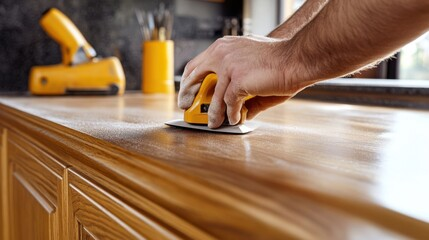
Cabinet Refinishing Sacramento is a great option for historic preservation, simple color changes, and other cosmetic upgrades.
Depending on the design, cabinet refinishing can create a sleek, modern appearance or replicate a natural wooden look. It’s also cost-effective and environmentally friendly compared to replacing cabinets entirely.
Paint
Cabinet refinishing is a great option for homeowners who want to give their kitchen or bathroom cabinets a facelift without breaking the bank. This process involves cleaning and sanding your existing doors and drawer fronts before applying fresh coats of paint or stain. It is typically less expensive than replacing your cabinets, and it can be completed in a much shorter timeframe.
If you are refinishing your cabinets, it is important to choose the right kind of paint for the job. You’ll need a high-quality acrylic latex paint that will last for years. A good primer is also critical, as it will help the new finish adhere to the surface. Finally, sanding the surfaces before applying your finish is necessary to ensure smooth surfaces.
You can use a wide range of colors and finishes for your cabinet refinishing project, allowing you to create a look that is unique and reflects your personal taste. A wide range of brushstrokes can be used to add texture and dimension to your finished product.
One of the biggest advantages of refinishing your cabinets is that you can keep your existing frames and doors, which are generally in good condition. However, it is important to note that cabinet refinishing only addresses aesthetic concerns and does not address structural issues like misaligned or broken doors or drawers.
Before you begin your cabinet refinishing project, it is important to thoroughly clean the surface of the wood with a mild cleaner, such as TSP. This will remove any grease or grime that has built up, as well as any dirt or wax that may have accumulated over time. After the wood is completely dry, you can patch any holes or imperfections that need to be fixed with spackle or wood filler. You can then sand the surfaces of your cabinets with medium-grit sandpaper to prepare them for painting.
It is recommended to hire a professional to perform the cabinet refinishing process, as it can be difficult for inexperienced DIYers to achieve a professional result. It is also important to keep in mind that refinishing your cabinets can be messy and requires a significant amount of downtime. It is also important to avoid using harsh chemicals, as these can damage the finish and cause it to dull or discolor over time.
Stain
Cabinet refinishing is one of the most cost-effective ways to transform your kitchen or bathroom. It’s a good option for homeowners who love the layout and functionality of their cabinets but want to breathe new life into their look with a fresh coat of paint or stain. The process involves sanding down the existing finish to create a smooth base before applying a new color and protective sealant.
Refinishing can dramatically change the color of your cabinets without a complete remodel. However, the process can be labor intensive and time-consuming, especially if your cabinets have been previously stained or painted a dark color and now you want them lighter. Before you begin, make sure all cabinet surfaces are free of dirt, dust, and grease. Use a damp cloth or mild cleaner formulated for wood to clean the surfaces thoroughly. It’s also a good idea to remove all hardware from your cabinets to avoid getting paint or stain on them.
Before starting, it’s important to determine whether you’re looking for a simple aesthetic update or a long-term solution. A fresh coat of paint will last up to 10 years if properly cared for, but after that, chips and scratches are inevitable in busy homes. Refacing is a more durable option that will stand up to the wear and tear of busy kitchens, so it’s an excellent choice if you’re planning on selling your home in the future or simply want a more long-term solution.
The main benefit of cabinet refacing is that it’s a much quicker process than a full remodel, so you can enjoy your updated kitchen sooner and with less disruption. The refacing process typically takes 3-5 days, which means you won’t have to endure weeks or months of construction in your home. It’s also a more environmentally friendly solution because it reduces the amount of materials that are added to landfills.
Cabinet refacing isn’t a DIY-friendly project, so if you’re not comfortable with the challenge of tackling the task on your own, it’s best to hire a professional. A skilled pro will ensure the job is done correctly and quickly, minimizing stress for you and your family.
Veneer
Cabinet refinishing gives your kitchen a facelift without the expense and disruption of a full remodel. You keep the bones of your cabinets intact, and the only thing that changes is their color. The result is a sleek, modern appearance or even a rustic, traditional feel that replicates a wooden appearance.
Cabinet veneer is a thin piece of hardwood that’s placed over a base product, such as particleboard, MDF or plywood. Some carpenters create their own veneers, while others purchase them from manufacturers. In either case, this product offers a more attractive, uniform appearance than solid hardwood at a fraction of the cost. It’s often used on furniture and cabinets to enhance the look of their construction.
Veneer is also an ideal surface for cabinet refinishing because it resists moisture and heat. It’s not as durable as solid wood, but it can last up to 15 years with proper care.
The refinishing process begins with thorough cleaning and preparation, including sanding the existing surfaces to create a smooth base. It’s important to avoid sanding too aggressively or you risk revealing the base material underneath. Careful attention to detail, a quality paintbrush and the right tools will ensure your new finish looks great for a long time.
Refinishing isn’t a project for everyone. The time commitment and mess are serious considerations, as is the fact that your kitchen will be a work zone for 3-7 days. Even with careful prep, refinishing isn’t foolproof, and a small mistake can be very noticeable.
If you want your refinished cabinets to last, be prepared to visit this project every few years. Even the highest-quality paint jobs show signs of wear within two to three years, and will need to be retouched after five. Refacing is a longer-term solution that’s designed to withstand years of holiday feasts, weekday chaos and everything in between.
The best way to determine which option is right for you is to talk with an experienced cabinet professional. They can provide advice about the best products for your unique situation, and help you achieve a custom look that’s uniquely yours.
Adhesives
Cabinet refinishing is an attractive option for homeowners looking to breathe new life into their kitchen or bathroom. The process of refinishing involves a series of meticulous steps that restore luster and durability to existing cabinets. However, refinishing requires significant time commitment and may prove challenging for DIY enthusiasts. It’s important to consider your options carefully to make the best choice for your home.
The refinishing process begins with thorough cleaning and prep. This includes removing hardware and sanding the surfaces to create a smooth base. After this, the new stain or paint is applied. When refinishing cabinets, it’s important to use high-quality products to ensure long-lasting beauty. Using the wrong products can leave behind unsightly patches and dullness. Additionally, it’s important to take your time and work carefully to prevent mistakes that could ruin the look of your finished cabinets.
When refinishing cabinets, it’s also helpful to keep in mind that the new color or stain will not change the style profile of your existing doors. This is important to consider if you’re planning on selling your home in the near future. For example, painting arched raised panel doors will not make them look more modern.
Another benefit of cabinet refinishing is that it’s much less expensive than a full kitchen renovation. It’s also a quicker process than installing brand-new cabinetry. Depending on the process and materials used, cabinet refinishing can be completed in as little as a week!
Unlike refacing, cabinet refinishing does not require the removal of the face frames or drawer fronts. This means you can keep the same layout and design of your cabinets while achieving a fresh, updated look. Ultimately, refinishing is an excellent option if you’re in love with the overall layout of your space but want to upgrade the appearance of your cabinets.
One of the biggest disadvantages of refinishing is that it’s not as durable as refacing. It’s important to consider your timeline and your budget when choosing a project method. Refacing offers a long-term solution that’s designed to withstand years of holiday feasts and everyday chaos. Refinishing, on the other hand, will likely need to be revisited every 5-7 years or so to protect against chipping and fading.