Water damage is one of the most common and destructive issues affecting residential and commercial properties. Whether caused by plumbing failures, severe weather, or unnoticed leaks, water intrusion can quickly compromise a building’s structure, damage valuable belongings, and create unhealthy living conditions. Understanding water damage, its causes, and effective response strategies is essential for minimizing loss and protecting long-term property value.
When left untreated, even minor water issues can escalate into major structural and health concerns. Prompt action and proper Salt Lake Water Damage Repair are key to restoring affected areas and preventing further deterioration.
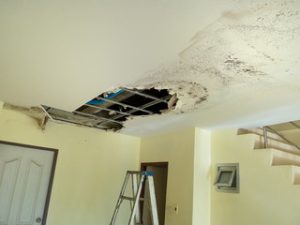
Understanding Water Damage
Water damage occurs when excess moisture infiltrates areas not designed to handle prolonged exposure. This moisture can seep into walls, floors, ceilings, insulation, and structural components. Over time, materials such as wood, drywall, and flooring absorb water, leading to warping, weakening, and decay.
In addition to visible damage, hidden moisture is especially dangerous. Water trapped behind walls or beneath flooring often goes unnoticed, allowing mold growth and structural deterioration to develop silently. This makes early detection and professional assessment critical when water damage is suspected.
Common Causes of Water Damage
Water damage can originate from a variety of sources, both sudden and gradual. Identifying the cause is essential for effective repair and prevention. Some of the most common causes include:
- Plumbing Issues – Burst pipes, leaking fittings, worn seals, and sewer backups are frequent contributors to water damage.
- Roof Leaks – Damaged shingles, flashing failures, or clogged drainage systems can allow rainwater to enter a structure.
- Appliance Failures – Malfunctioning washing machines, dishwashers, water heaters, and HVAC systems can release large amounts of water unexpectedly.
- Natural Events – Heavy rainfall, flooding, or storms can overwhelm drainage systems and force water into buildings.
- Poor Drainage – Improper grading, blocked gutters, or foundation cracks can cause water to collect near or inside a structure.
Understanding these causes allows property owners to address vulnerabilities before significant damage occurs.
The Impact of Water Damage on Structures
Water damage affects more than just surfaces. Structural components are especially vulnerable when exposed to moisture over time. Wood framing can rot, metal fasteners can corrode, and concrete can crack or weaken due to repeated water exposure.
As moisture spreads, floors may begin to buckle, walls can soften or warp, and ceilings may sag or collapse. Structural damage not only compromises safety but also increases repair costs significantly if not addressed early. In commercial settings, structural water damage can disrupt operations and create liability concerns.
Health Risks Associated With Water Damage
One of the most serious consequences of water damage is mold growth. Mold thrives in damp environments and can begin growing within 24 to 48 hours after water exposure. Once established, mold spreads quickly and releases spores into the air.
Exposure to mold can lead to health issues such as respiratory irritation, allergies, headaches, and worsened asthma symptoms. Prolonged exposure may pose greater risks for individuals with weakened immune systems. Addressing water damage promptly helps prevent mold growth and protects indoor air quality.
Signs of Water Damage
Water damage is not always immediately visible. Some signs are subtle and develop gradually. Property owners should watch for warning indicators such as discoloration, unusual odors, or changes in building materials.
Common signs include:
- Stains or discoloration on walls and ceilings
- Warped or buckling floors
- Peeling paint or bubbling wallpaper
- Musty or damp odors
- Persistent humidity or condensation
- Soft or spongy areas in walls or flooring
Recognizing these signs early can prevent extensive damage and costly repairs.
Types of Water Damage
Water damage is generally classified based on the source and level of contamination. This classification influences the approach to cleanup and restoration.
- Clean Water Damage – Comes from uncontaminated sources such as broken supply lines or rainwater. While less hazardous, it still requires prompt attention.
- Grey Water Damage – Contains some contaminants and may come from appliances or sinks. Proper cleaning and sanitization are necessary.
- Black Water Damage – Highly contaminated water from sewage backups or floodwaters. This type poses serious health risks and requires specialized handling.
Understanding these categories highlights the importance of professional evaluation and proper remediation.
Water Damage Restoration Process
Effective water damage restoration involves more than simply removing visible water. A comprehensive approach is required to fully restore affected areas and prevent future issues.
The process typically includes a thorough inspection to assess damage, followed by water removal using specialized equipment. Once standing water is eliminated, drying and dehumidification ensure that moisture is removed from all materials, including hidden spaces.
Cleaning and sanitization are essential steps to eliminate bacteria, contaminants, and potential mold spores. Finally, repairs are completed to restore structural integrity and appearance. This may involve replacing damaged drywall, flooring, insulation, or other materials.
Importance of Prompt Response
Time is a critical factor when dealing with water damage. The longer water remains in contact with building materials, the greater the extent of damage. Delayed action increases the likelihood of mold growth, structural weakening, and permanent material loss.
Immediate response minimizes repair costs and shortens recovery time. Quick water removal and drying can often save materials that would otherwise need replacement. Acting promptly also reduces disruption to daily activities and helps maintain a safe environment.
Preventive Measures to Reduce Water Damage
While not all water damage can be avoided, preventive measures significantly reduce risk. Property owners can protect their buildings by implementing regular maintenance and monitoring strategies.
Preventive steps include:
- Routine inspection of plumbing systems and appliances
- Regular roof and gutter maintenance
- Ensuring proper drainage away from foundations
- Installing moisture detection or leak sensors
- Addressing small leaks immediately
Proactive maintenance helps identify issues early and prevents minor problems from escalating into major damage.
Water Damage in Residential Properties
In homes, water damage can affect comfort, safety, and property value. Living spaces, basements, kitchens, and bathrooms are particularly vulnerable due to frequent water use. Left untreated, water damage can lead to costly repairs and long-term health concerns for occupants.
Professional restoration ensures that homes are thoroughly dried, cleaned, and repaired, restoring safe living conditions and preventing recurring issues.
Water Damage in Commercial Properties
Commercial properties face unique challenges when dealing with water damage. Larger spaces, complex systems, and valuable equipment increase the impact of water intrusion. Business interruptions, inventory loss, and safety concerns can result in significant financial setbacks.
Comprehensive water damage solutions help commercial properties recover quickly while minimizing downtime and protecting assets.
Choosing Professional Water Damage Services
Professional water damage services provide expertise, equipment, and efficiency that are difficult to achieve with DIY methods. Trained technicians understand how moisture behaves within structures and can identify hidden damage that might otherwise go unnoticed.
When choosing a service provider, important factors include experience, response time, advanced equipment, and comprehensive restoration capabilities. Professional services ensure thorough remediation and long-term protection.
Long-Term Effects of Untreated Water Damage
Ignoring water damage can lead to escalating problems over time. Structural components may deteriorate, mold infestations can spread, and repair costs increase significantly. Properties with unresolved water damage often experience reduced value and increased maintenance expenses.
Addressing water damage promptly preserves both structural integrity and long-term investment value.
Water damage is a serious issue that affects both residential and commercial properties. From structural deterioration and mold growth to health risks and financial loss, the consequences of untreated water damage can be severe. Understanding the causes, recognizing early warning signs, and responding promptly are essential for effective protection.
Professional water damage solutions provide comprehensive restoration, including water removal, drying, cleaning, and repairs. Preventive maintenance further reduces risk and helps protect properties from future incidents.
By taking water damage seriously and acting quickly, property owners can safeguard their buildings, protect occupant health, and maintain long-term value. A proactive approach ensures that water damage is managed effectively, restoring safety, comfort, and peace of mind.