
Roofing Maintenance Tips to Extend the Life of Your Roof

Cedar Park Roofing

A well-maintained roof protects your home and saves you money in the long run. It also adds value and curb appeal.

Regular visual inspections after severe storms can prevent costly repairs later on. In addition, a reputable roofing company can apply protective coatings and sealants that help extend your roof’s lifespan. Contact Cedar Park Roof Repair for more information.

Clean Your Gutters Regularly

Gutter systems are a key component of your roof, enabling water to flow freely from the roof and away from your house. This helps prevent foundation problems, rot, pest infestations and other structural issues. However, if gutters become clogged with leaves, dirt, twigs, and other debris, they can’t do their job. Clogged gutters cause a host of problems, including roof leaks, mold growth, and water damage to paint, walls, and siding.

When gutters are properly functioning, they channel rainwater and melted snow to downspouts and away from your home. They also help prevent soil erosion and protect fascia and soffit materials. In addition, they can help reduce the risk of ice dams and other roofing damage. However, if you neglect your gutters, they can easily become clogged and stop working.

Regularly cleaning and repairing your gutter system can significantly extend its life. You should clean it twice a year, especially after fall and spring when leaves and other debris tend to build up. In addition, you should hire a professional to clean your gutters at least once every other year to ensure they are free from obstructions.

When left untreated, moss and algae can lift shingles and create points of entry for water into the house. It’s important to remove these substances regularly, especially in coastal areas with high moisture levels. A broom, soft-bristle brush, and some water can help get the job done. If moss is particularly stubborn, consider using a specialized moss cleaner to avoid damaging the roof.

In colder climates, clogged gutters can lead to ice dams, which form in the winter and force water back up under the shingles. These can cause leaks in the roof, structural damage, and other costly repairs. Gutter cleaning is an essential part of maintaining a functional roof, and it’s crucial to schedule routine maintenance services with your local roofing contractors.

Whether you’re hiring a professional or doing the work yourself, it’s essential to have a good ladder. This allows you to access the attic and roof safely, and enables you to inspect the condition of the shingle surface for any cracks or gaps. Small problems, such as missing shingles or worn flashing, should be fixed right away to avoid leaks and other damage.

Inspect Your Flashing

The flashing is a crucial component of any roof, protecting against leaks at the joints and penetration points of chimneys, vents, skylights, and other architectural features. During regular inspections, check the flashing for signs of rust or dents and make sure that the sealant is intact. Over time, the sealant will naturally degrade and should be replaced as necessary. Missing or damaged shingles are also common problems that need to be addressed promptly. Even tiny vulnerabilities can lead to significant water damage, especially in the Lower Mainland’s rainy climate, where freeze-thaw cycles can exacerbate them.

A well-functioning gutter system is another important component of your roof’s longevity. A clean, properly-adjusted gutter system channels water away from the foundation and roof edge, preventing backing up and overflow, ice dams, and erosion of roofing materials. It also protects fascia and soffit components. It is essential to keep the gutters and downspouts clear of debris, including leaves, twigs, branches, and pine needles.

In addition, inspect the attic and crawl spaces regularly to ensure that they have proper ventilation. Without it, heat and humidity build up inside the attic and can damage shingles, cause them to age prematurely, and create mold and mildew problems. Check for a musty or “old” smell, which indicates that the attic or crawl space is damp and needs to be ventilated.

If you notice that a leak or other problem persists, consider consulting with residential roofing companies for detailed inspections and professional repairs. These experts can identify the underlying problems and provide effective solutions that maximize your roof’s lifespan.

The roof is a key investment for homeowners, and it provides an important shield against the elements. With proper care and preventative maintenance, it can last decades and serve as a valuable asset for the comfort and safety of your family and home. This guide will teach you practical, proven strategies that can help extend your roof’s lifespan and save you from costly repairs or early replacement. Read on to learn more!

Trim Trees

A roof represents a major investment that’s critical to protecting your home and family from the elements. Whether your roof is new or older, proactive maintenance can extend its life and prevent the need for early replacement.

Proper tree trimming can help protect your roof from damage during heavy storms, as well as prevent branches from falling on your house or power lines. It can also minimize shade and moisture that lead to rot or moss growth. While pruning can be done year-round, it is best to do so during the winter when the trees are dormant, allowing for more accurate cutting and prompt wound closure.

Overgrown tree limbs can scratch your roofing materials, damaging shingles and causing them to lose their protective granules. This leaves your shingles vulnerable to UV rays and other harsh weather conditions. Properly trimmed limbs can also reduce the weight of snow and ice that can stress roofing components or lead to water leaks in your home.

It’s also important to keep your gutter system clean of debris, especially before a storm. Clogged gutters can cause shingle damage, so having your roof and gutters cleaned by a professional is an important part of preventive care that can extend the life of your roof.

Regular cleanings can extend the life of your roof by removing the buildup of organic matter that promotes moss, algae, and lichen growth. These can be safely removed by a professional using soft-bristle brushes and hand scraping or a low-pressure wash, but should never be done with high-powered spray equipment that may erode or loosen roofing materials. During your roof cleaning, you should also look for any cracks or holes that need to be repaired. In the Lower Mainland’s rainy climate, even tiny vulnerabilities can lead to significant water damage when left unaddressed. Likewise, sealants and caulking naturally degrade over time, so it’s important to re-apply them as needed. This includes resealing around chimneys, vents, and valleys, and re-caulking any cracks or gaps that are exposed to freezing or melting cycles. This is particularly important for coastal homeowners.

Inspect Your Attic

Inspecting your roof and attic regularly is one of the most important roofing maintenance tips to extend the life of your roof. Even small issues can quickly escalate into major problems if left unaddressed. It is especially crucial to inspect your attic and roof after rainy or snowy weather, and before the summer heat arrives.

In addition to checking for shingle damage and looseness, look for signs of water leaks in your attic or ceiling. Water stains on the rafters or roof decking (the wood that the shingles are nailed to) are an early warning sign of leaks and should be addressed right away.

Another important inspection tip is to check for moss growth and debris buildup. It is best to hire a professional for this, since concentrated sprays from power washers can loosen and remove the granules from asphalt shingles. This can cause premature deterioration and void any remaining warranty.

The attic is also an excellent place to spot insulation issues. Proper attic insulation improves home comfort, saves energy, and extends the lifespan of your roof. However, if your attic insulation is blocked or compressed, or if it becomes saturated with moisture, it can lead to the development of mold and rot.

Make sure to inspect the attic and roof vents as well, to ensure that they are open and free of obstructions. Insufficient ventilation causes excess heat to accumulate in the attic, which damages the shingles and leads to rotting of roof wood. Check for a musty odor, which is usually a sign of insufficient ventilation.

Finally, it is wise to inspect for signs of ice dams. They are a common cause of water leaks and should be addressed immediately. For best results, use a roof rake to remove accumulated snow without damaging the roofing materials. In areas prone to ice dams, consider adding additional attic insulation and ventilation or installing heated cables.

These simple maintenance tasks can help protect your Pittsburgh roof and prolong its life. If you are unsure how to properly conduct these maintenance activities, or would like help maintaining your roof and attic, contact Action Roofing today. Our knowledgeable team can help you create a comprehensive roofing maintenance program to protect your investment.

What to Expect During a Professional Pest Control Treatment

Pest Control Vero Beach

Pest Control Vero Beach professionals identify pest types, inspect hidden zones and apply safe and targeted treatments. Homeowners play an important role in making these visits successful by clearing and preparing areas to be treated.

For example, mopping floors before a perimeter spray prevents the treatment from bind to a dirty surface. This ensures pests can be killed more effectively and reduces over-treatment that contributes to pesticide resistance.

Treatment Areas

As part of a pest control treatment, a technician will identify and locate areas of the property where insects are most active. They may also note areas that support the pests’ life cycles, such as dark corners or places where water collects. This information helps them develop the best course of action to eliminate and prevent pest infestations.

The exact approach depends on the type of pests and how severe an infestation is. For example, if pests are invading a home or business’s dining room, baiting is usually the recommended method of attack. However, if the problem is more widespread, fumigation may be needed to ensure long-term success. Developing a tailored strategy also allows technicians to offer cost-effective options for each client’s needs.

Before the actual treatment begins, the pest control specialist will ask you to help prepare your space. This could include throwing away uncovered food or clearing surfaces to prevent contamination. It is also important to move items away from walls or shelves so the exterminator can reach them. This enhances the effectiveness of your treatment and helps reduce the number of pests hiding in untreated spaces.

During an inspection, the technician will also look for entry points and other signs of infestation. For example, droppings or bite marks can indicate a pest problem and can be used to identify the species involved. The inspector will note other problems, such as gaps around plumbing or the presence of drain flies, and make recommendations for corrections.

Many homeowners and businesses overlook simple steps to prevent pests from invading. This includes keeping surfaces clean, securing trash bins, and sealing entries to reduce insect populations and re-infestation. A pest control company can offer ongoing services, including regular inspections and follow-up treatments to reduce the likelihood of re-infestation and protect people’s health and safety.

For businesses that rely on food deliveries, a pest control service can provide recurring treatments to prevent pests from entering and damaging inventory. It can also educate staff on pest prevention, such as locking containers and securing entrances. This can reduce the need for chemical sprays and other harmful pesticides, which is great news for the environment and your wallet!

Safety Precautions

Depending on the pest control treatment required, the exterminator will recommend a combination of spray applications, dusting, bait systems and other targeted solutions to eradicate unwanted pests. They will also give detailed explanations of what to expect and how the treatment will work, making it clear for clients to understand what’s happening throughout the process.

Modern pest control is all about transparency, and that’s especially important when it comes to safety. Your trusted exterminators are always mindful of your family, your pets and the environment. They use safe chemicals and targeted application techniques that minimize disruption while maximizing results. They will advise you on ventilation times, cleaning schedules and re-entry guidelines so that your home is comfortable and safe during and after the service.

Before a pest control treatment begins, your exterminator will ask you to perform simple tasks, like clearing the kitchen counters or sealing food items, moving furniture away from walls and vacuuming carpets, to ensure that all areas are treated. This helps them achieve the best, most long-lasting results and prevents pests from hiding in untreated zones.

Once the treatment is underway, your pest controller may apply sprays around the exterior of your property and in any rooms that require extra attention to specific pest problems. If you have children or pets, you may need to move them to a safe place for the duration of the treatment. Alternatively, you can ask them to take them to a friend or relative’s house for the day so that they don’t get in the way of the pest control work.

It’s also a good idea to leave windows open and use fans for air circulation during and after the treatment. This will help to speed up the drying time of any pesticides and minimise the risk of inhaling fumes or spray residue.

When your pest control treatment is complete, it’s important to stay away from any treated areas until they are fully dry. This usually takes about two hours on a sunny day, but your technician will let you know what the exact timeframe is, so that you can plan accordingly.

Observation Period

It’s important for the pest control technician to observe and evaluate both the infestation, and conditions that support the pest’s life cycle. They will take note of droppings, bite marks, nests and other indicators that will help them determine what type of pest they are dealing with. It’s also critical that they thoroughly inspect both the interior and exterior of the property, including pantries, closets, under sink areas, attics, crawl spaces and garages. They will also examine windows and doors for pest entry sites, and assess whether soffit vents are properly sealed. They may also check if air conditioning vents are open and free of obstruction, and ensure attic and soffit vents are protected with bird screens.

Pests are sneaky little creatures, and they can often fly in through unsecured door or window screens. They can hide in nooks and crannies, under washing machines, in drains, or behind refrigerators and stoves. Therefore, it is quite common for homeowners to see odd cockroaches in the house in the first week after treatment. This is a good sign that our treatments are working, as healthy cockroaches will hide during daylight and only come out at night to search for food.

Rodent prevention treatments usually involve installing bait stations in key locations that rats and mice tend to frequent, such as ceiling voids or subfloors. It’s important to make sure these bait stations are pet and tamper proof. Once the rodent population is controlled, we will return to monitor the area. It’s also important to remember that pest control is a long-term process. Even if you feel your pest problem is controlled, it’s important to allow the treatment to work for a few weeks before calling us back for a follow up visit.

Follow-Up Visits

It’s common for pest control professionals to recommend follow-up visits to your home. These visits help ensure that the treatment was effective and prevents future infestations from developing. You’ll be encouraged to maintain your regular cleaning habits and keep food in tightly sealed containers in order to reduce future pest activity.

Depending on the type of pest control service you need, your technician will recommend specific follow-up measures. These steps could include sweeping the perimeter of your home and removing debris from around the property. You’ll also be prompted to empty all trash cans and clean all areas where pests are known to hide. You’ll also be advised to wipe down kitchen and bathroom counters to remove crumbs that can attract pests.

Your pest control technician will be happy to answer any questions you may have during and after the treatment. They can also recommend additional services that you may need in order to effectively treat a pest problem.

When you’re scheduled for a pest control treatment, be sure to keep pets and children safely away from the affected area. Keeping them out of the way allows your pest professional to freely inspect your home and get into tighter spaces that might be hard for you to reach on your own. If your pets are apprehensive or fearful of people, it’s usually best to temporarily kennel them or leave them with a friend or family member until the treatment is complete.

A common misconception is that pest control treatments are “magic bullets” that instantly eliminate all types of pests. This myth probably stems from the fact that over-the-counter aerosol cans of insecticide are sold to consumers that promise instant results. The truth is that it takes time for professional pest control treatments to take effect. It can also take some time for the pests to die from the treatment or flee your home in an attempt to escape.

After a professional pest control treatment, you’ll need to be patient and stick to the recommendations of your pest control specialist. It’s important to avoid scrubbing or wiping surfaces right after the treatment is complete because you might be removing treatment residuals that are meant to prevent pests from returning.

Water Damage: Causes, Risks, and Effective Solutions for Property Protection

Water damage is one of the most common and destructive issues affecting residential and commercial properties. Whether caused by plumbing failures, severe weather, or unnoticed leaks, water intrusion can quickly compromise a building’s structure, damage valuable belongings, and create unhealthy living conditions. Understanding water damage, its causes, and effective response strategies is essential for minimizing loss and protecting long-term property value.

When left untreated, even minor water issues can escalate into major structural and health concerns. Prompt action and proper Salt Lake Water Damage Repair are key to restoring affected areas and preventing further deterioration.

water damage

Understanding Water Damage

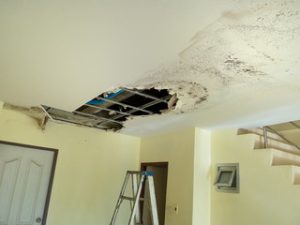
Water damage occurs when excess moisture infiltrates areas not designed to handle prolonged exposure. This moisture can seep into walls, floors, ceilings, insulation, and structural components. Over time, materials such as wood, drywall, and flooring absorb water, leading to warping, weakening, and decay.

In addition to visible damage, hidden moisture is especially dangerous. Water trapped behind walls or beneath flooring often goes unnoticed, allowing mold growth and structural deterioration to develop silently. This makes early detection and professional assessment critical when water damage is suspected.

Common Causes of Water Damage

Water damage can originate from a variety of sources, both sudden and gradual. Identifying the cause is essential for effective repair and prevention. Some of the most common causes include:

  • Plumbing Issues – Burst pipes, leaking fittings, worn seals, and sewer backups are frequent contributors to water damage.
  • Roof Leaks – Damaged shingles, flashing failures, or clogged drainage systems can allow rainwater to enter a structure.
  • Appliance Failures – Malfunctioning washing machines, dishwashers, water heaters, and HVAC systems can release large amounts of water unexpectedly.
  • Natural Events – Heavy rainfall, flooding, or storms can overwhelm drainage systems and force water into buildings.
  • Poor Drainage – Improper grading, blocked gutters, or foundation cracks can cause water to collect near or inside a structure.

Understanding these causes allows property owners to address vulnerabilities before significant damage occurs.

The Impact of Water Damage on Structures

Water damage affects more than just surfaces. Structural components are especially vulnerable when exposed to moisture over time. Wood framing can rot, metal fasteners can corrode, and concrete can crack or weaken due to repeated water exposure.

As moisture spreads, floors may begin to buckle, walls can soften or warp, and ceilings may sag or collapse. Structural damage not only compromises safety but also increases repair costs significantly if not addressed early. In commercial settings, structural water damage can disrupt operations and create liability concerns.

Health Risks Associated With Water Damage

One of the most serious consequences of water damage is mold growth. Mold thrives in damp environments and can begin growing within 24 to 48 hours after water exposure. Once established, mold spreads quickly and releases spores into the air.

Exposure to mold can lead to health issues such as respiratory irritation, allergies, headaches, and worsened asthma symptoms. Prolonged exposure may pose greater risks for individuals with weakened immune systems. Addressing water damage promptly helps prevent mold growth and protects indoor air quality.

Signs of Water Damage

Water damage is not always immediately visible. Some signs are subtle and develop gradually. Property owners should watch for warning indicators such as discoloration, unusual odors, or changes in building materials.

Common signs include:

  1. Stains or discoloration on walls and ceilings
  2. Warped or buckling floors
  3. Peeling paint or bubbling wallpaper
  4. Musty or damp odors
  5. Persistent humidity or condensation
  6. Soft or spongy areas in walls or flooring

Recognizing these signs early can prevent extensive damage and costly repairs.

Types of Water Damage

Water damage is generally classified based on the source and level of contamination. This classification influences the approach to cleanup and restoration.

  • Clean Water Damage – Comes from uncontaminated sources such as broken supply lines or rainwater. While less hazardous, it still requires prompt attention.
  • Grey Water Damage – Contains some contaminants and may come from appliances or sinks. Proper cleaning and sanitization are necessary.
  • Black Water Damage – Highly contaminated water from sewage backups or floodwaters. This type poses serious health risks and requires specialized handling.

Understanding these categories highlights the importance of professional evaluation and proper remediation.

Water Damage Restoration Process

Effective water damage restoration involves more than simply removing visible water. A comprehensive approach is required to fully restore affected areas and prevent future issues.

The process typically includes a thorough inspection to assess damage, followed by water removal using specialized equipment. Once standing water is eliminated, drying and dehumidification ensure that moisture is removed from all materials, including hidden spaces.

Cleaning and sanitization are essential steps to eliminate bacteria, contaminants, and potential mold spores. Finally, repairs are completed to restore structural integrity and appearance. This may involve replacing damaged drywall, flooring, insulation, or other materials.

Importance of Prompt Response

Time is a critical factor when dealing with water damage. The longer water remains in contact with building materials, the greater the extent of damage. Delayed action increases the likelihood of mold growth, structural weakening, and permanent material loss.

Immediate response minimizes repair costs and shortens recovery time. Quick water removal and drying can often save materials that would otherwise need replacement. Acting promptly also reduces disruption to daily activities and helps maintain a safe environment.

Preventive Measures to Reduce Water Damage

While not all water damage can be avoided, preventive measures significantly reduce risk. Property owners can protect their buildings by implementing regular maintenance and monitoring strategies.

Preventive steps include:

  • Routine inspection of plumbing systems and appliances
  • Regular roof and gutter maintenance
  • Ensuring proper drainage away from foundations
  • Installing moisture detection or leak sensors
  • Addressing small leaks immediately

Proactive maintenance helps identify issues early and prevents minor problems from escalating into major damage.

Water Damage in Residential Properties

In homes, water damage can affect comfort, safety, and property value. Living spaces, basements, kitchens, and bathrooms are particularly vulnerable due to frequent water use. Left untreated, water damage can lead to costly repairs and long-term health concerns for occupants.

Professional restoration ensures that homes are thoroughly dried, cleaned, and repaired, restoring safe living conditions and preventing recurring issues.

Water Damage in Commercial Properties

Commercial properties face unique challenges when dealing with water damage. Larger spaces, complex systems, and valuable equipment increase the impact of water intrusion. Business interruptions, inventory loss, and safety concerns can result in significant financial setbacks.

Comprehensive water damage solutions help commercial properties recover quickly while minimizing downtime and protecting assets.

Choosing Professional Water Damage Services

Professional water damage services provide expertise, equipment, and efficiency that are difficult to achieve with DIY methods. Trained technicians understand how moisture behaves within structures and can identify hidden damage that might otherwise go unnoticed.

When choosing a service provider, important factors include experience, response time, advanced equipment, and comprehensive restoration capabilities. Professional services ensure thorough remediation and long-term protection.

Long-Term Effects of Untreated Water Damage

Ignoring water damage can lead to escalating problems over time. Structural components may deteriorate, mold infestations can spread, and repair costs increase significantly. Properties with unresolved water damage often experience reduced value and increased maintenance expenses.

Addressing water damage promptly preserves both structural integrity and long-term investment value.

Water damage is a serious issue that affects both residential and commercial properties. From structural deterioration and mold growth to health risks and financial loss, the consequences of untreated water damage can be severe. Understanding the causes, recognizing early warning signs, and responding promptly are essential for effective protection.

Professional water damage solutions provide comprehensive restoration, including water removal, drying, cleaning, and repairs. Preventive maintenance further reduces risk and helps protect properties from future incidents.

By taking water damage seriously and acting quickly, property owners can safeguard their buildings, protect occupant health, and maintain long-term value. A proactive approach ensures that water damage is managed effectively, restoring safety, comfort, and peace of mind.

Masonry Brickwork: Building Durable and Aesthetic Structures

Masonry brickwork is a cornerstone of modern construction, combining strength, durability, and aesthetic appeal in residential, commercial, and industrial projects. The craft of laying bricks is not merely about stacking materials; it is a precise technique that ensures structures are both functional and visually appealing. Brick masonry has stood the test of time due to its resistance to weather, fire, and wear, making it a reliable choice for walls, facades, patios, walkways, and load-bearing structures. Understanding the scope of masonry brickwork, its benefits, and best practices can help property owners and developers make informed decisions for their construction projects. Click here at https://www.gkconstructionsolutions.com/ to get started.

masonry

At the heart of masonry brickwork is the combination of bricks and mortar to create strong, cohesive structures. Mortar acts as a binding agent that holds bricks together while filling gaps and providing stability. The choice of mortar, brick type, and laying pattern significantly impacts the durability and appearance of the finished work. Skilled masons consider these factors carefully to ensure that brickwork withstands environmental stressors such as rain, wind, temperature changes, and heavy loads. Properly executed masonry brickwork not only enhances the longevity of a building but also contributes to its energy efficiency and overall value.

One of the primary advantages of masonry brickwork is its durability. Bricks are naturally resistant to fire, pests, and rot, providing long-lasting protection for buildings and structures. Load-bearing brick walls can support significant weight, making them suitable for both residential and commercial construction. Additionally, brickwork requires minimal maintenance compared to alternative materials such as wood or vinyl siding. Occasional cleaning, repointing, or sealing is usually sufficient to maintain the structural integrity and appearance of brick structures. This durability makes masonry brickwork a smart investment for property owners seeking long-term performance and resilience.

Brickwork is also highly versatile, offering numerous design possibilities. Bricks are available in various colors, textures, and sizes, allowing architects and builders to create unique patterns, facades, and finishes. From traditional running bond and herringbone patterns to decorative arches, columns, and chimneys, masonry brickwork enhances the aesthetic appeal of any structure. Skilled masons can even incorporate custom designs into walls, patios, and pathways, blending functionality with visual interest. This combination of durability and design flexibility makes brickwork a preferred choice for both structural and decorative applications.

The process of masonry brickwork involves several critical steps that ensure strength and longevity. First, the foundation must be prepared properly, as a stable base prevents settling and cracking. Bricks are then laid with precision, ensuring uniform spacing, alignment, and level surfaces. Mortar is applied evenly between bricks to bond them securely while maintaining consistent joints. After the bricks are set, finishing touches such as pointing, sealing, or cleaning enhance both durability and appearance. Each of these steps requires skill, experience, and attention to detail, highlighting the importance of professional masonry services.

To provide clarity on the various applications of masonry brickwork, here is an enumerated overview of common brickwork services:

1. Common Masonry Brickwork Services

  1. Exterior Walls and Facades – Durable walls that provide structural support and improve the aesthetic appeal of buildings.
  2. Interior Brick Walls – Decorative or load-bearing interior walls that add texture and character to living spaces.
  3. Chimneys and Fireplaces – Functional and decorative brickwork structures designed to withstand high temperatures.
  4. Patios, Walkways, and Driveways – Durable surfaces that enhance outdoor living spaces and property value.
  5. Retaining Walls and Garden Features – Brick structures are used to manage soil erosion and create visually appealing landscapes.
  6. Columns, Pillars, and Arches – Structural and decorative elements that showcase craftsmanship and support loads.
  7. Repair and Repointing – Maintenance services that restore mortar joints and ensure structural stability.
  8. Custom Decorative Brickwork – Unique patterns, textures, and color combinations for tailored aesthetic designs.

Masonry brickwork also contributes to energy efficiency and environmental sustainability. Brick walls have excellent thermal mass, meaning they absorb and slowly release heat. This property helps regulate indoor temperatures, reducing the need for constant heating or cooling. Bricks are also made from natural materials such as clay or concrete, and many can be recycled or repurposed, making brickwork an eco-friendly option for sustainable construction. Properly insulated brick structures not only enhance comfort but also lower energy costs over time.

In addition to new construction, masonry brickwork is essential for repair and restoration projects. Older brick structures can experience mortar deterioration, cracks, or loose bricks due to weather exposure, settling, or general wear. Repointing, which involves replacing damaged mortar, restores the stability and appearance of brickwork without requiring complete reconstruction. Similarly, replacing damaged bricks and sealing surfaces can extend the life of walls, chimneys, and facades. Timely maintenance prevents small issues from escalating into costly structural problems.

Brickwork also improves property safety and structural integrity. Load-bearing brick walls provide a strong barrier against external forces such as wind, impact, and fire. Fire-resistant properties of bricks help contain potential fires, protecting occupants and property. Additionally, brick facades are often paired with reinforced structures to enhance stability in areas prone to natural hazards such as earthquakes or high winds. These safety benefits, combined with aesthetic and functional advantages, make masonry brickwork a highly desirable construction choice.

Another benefit of professional masonry brickwork is its impact on property value and curb appeal. Well-constructed brick walls, facades, and outdoor features create a polished and high-quality appearance that attracts buyers and tenants. Decorative brickwork in landscaping, patios, and pathways enhances outdoor spaces, making properties more inviting and functional. This visual appeal, combined with the long-term durability of brick, ensures that masonry investments pay off over time both aesthetically and financially.

Brickwork projects require careful planning to ensure proper alignment, load distribution, and finishing. Masons often use specialized tools such as levels, trowels, string lines, and laser guides to achieve precise placement and consistent mortar joints. In addition, consideration of moisture management, insulation, and structural reinforcement is critical for long-lasting results. Attention to these technical details distinguishes professional masonry work from DIY efforts and ensures that brick structures meet both functional and design expectations.

For property owners considering masonry brickwork, it is important to know when professional services are required. Here is another enumerated section highlighting situations that typically warrant expert brickwork:

2. When to Hire Professional Masonry Brickwork Services

  1. New Construction Projects – Building structural walls, facades, patios, or outdoor features requiring expert installation.
  2. Chimney or Fireplace Installation – Ensuring fire-resistant construction and proper design.
  3. Repair and Repointing – Restoring mortar joints and damaged bricks to maintain structural integrity.
  4. Decorative Brickwork Projects – Creating customized patterns, textures, or color combinations for aesthetic purposes.
  5. Retaining Walls or Landscaping Features – Constructing durable outdoor elements that require load-bearing capacity.
  6. Structural Columns and Arches – Installing elements that support weight and enhance architectural design.
  7. Outdoor Hardscapes – Patios, walkways, and driveways that need precise alignment and durability.
  8. Restoration of Historic or Aged Structures – Maintaining heritage brickwork while ensuring safety and longevity.

Masonry brickwork continues to be a preferred construction method due to its combination of strength, durability, and aesthetic versatility. Unlike some modern materials, brick structures resist environmental stressors such as fire, moisture, and extreme temperatures while maintaining structural stability over decades. With proper installation and maintenance, masonry brickwork can outlast alternative construction methods, making it a cost-effective choice in the long term.

Additionally, brickwork integrates seamlessly with other construction materials. Architects and builders often combine brick with concrete, steel, wood, or glass to create modern, functional, and visually appealing structures. This adaptability allows for innovative designs without sacrificing durability or performance. Whether used in traditional homes, commercial buildings, or contemporary landscapes, brickwork provides both form and function.

Proper masonry brickwork requires skilled professionals who understand material properties, structural principles, and aesthetic considerations. Experienced masons ensure precise brick placement, consistent mortar joints, and accurate alignment. They also assess factors such as soil conditions, load-bearing requirements, and moisture management to guarantee long-lasting results. Hiring professionals ensures that brick structures are not only strong and durable but also visually polished and well-executed.

In conclusion, masonry brickwork is a vital component of modern construction, offering unmatched durability, structural integrity, and design flexibility. From exterior walls and facades to decorative patios, chimneys, and retaining walls, brickwork provides a long-lasting and aesthetically pleasing solution for residential, commercial, and industrial projects. Proper installation, maintenance, and repair ensure that brick structures remain safe, functional, and visually appealing for decades. By investing in professional masonry brickwork services, property owners and developers can achieve high-quality results that enhance both value and usability, making brickwork an essential element of successful construction.

Mastering the Art of Selling in Real Estate for Maximum Profit and Success

Selling in real estate is one of the most rewarding yet challenging ventures in the property market. Whether you’re an individual homeowner, an investor, or a professional agent, understanding the strategies behind successful property sales can make all the difference. From pricing and presentation to negotiation and closing, each step requires careful planning, market insight, and strong communication skills.

In today’s competitive market, selling a property isn’t just about listing it—it’s about creating an experience that appeals to buyers, builds trust, and maximizes value. The key to real estate success lies in preparation, timing, and effective marketing techniques that attract the right audience.

real estate

Understanding the Real Estate Selling Process

Selling a property involves more than putting up a “For Sale” sign. It’s a process that requires research, strategy, and expert execution. Whether it’s a residential home, commercial space, or investment property, the selling journey typically follows these steps:

  1. Market Research and Valuation
  2. Before listing a property, it’s essential to understand current market trends. Sellers need to analyze similar properties in the area, current price ranges, and buyer demand. A well-researched market valuation helps set a competitive yet realistic price.
  3. Property Preparation and Staging
  4. First impressions matter in real estate. Preparing a property for sale—through cleaning, repairs, decluttering, and home staging—significantly improves its appeal. A well-staged property highlights its best features, helping potential buyers imagine themselves in the space.
  5. Listing and Marketing
  6. Once the property is ready, it’s time to make it visible. Listing it on multiple real estate platforms, using professional photography, and crafting engaging descriptions can attract serious buyers. Marketing should focus on showcasing unique selling points, such as layout, amenities, and lifestyle benefits.
  7. Showing and Open Houses
  8. Allowing potential buyers to tour the property in person or virtually builds emotional connections. Open houses and private showings provide opportunities to highlight details that photos may not capture, encouraging offers from interested buyers.
  9. Negotiation and Closing the Sale
  10. Negotiation is a critical stage that determines the outcome. A skilled seller or agent knows how to balance firmness with flexibility to achieve favorable terms. Once an offer is accepted, the process moves toward legal documentation, inspections, and final closing.

Key Strategies for Successful Real Estate Selling

To stand out in a crowded market, sellers need more than just luck—they need strategy. Here are proven techniques to help achieve faster and more profitable property sales:

  1. Set the Right Price
  2. Overpricing can scare away buyers, while underpricing may lead to losses. A well-calculated price based on market data ensures competitive positioning. Using professional valuations and considering seasonal demand can also influence pricing decisions.
  3. Enhance Curb Appeal
  4. The exterior of a property sets the tone for the entire viewing experience. Landscaping, fresh paint, clean pathways, and inviting entryways make a strong first impression and increase perceived value.
  5. Use Professional Photography and Virtual Tours
  6. High-quality visuals are essential for online listings. Most buyers start their search online, and captivating images or virtual tours can instantly capture their interest. Visual marketing creates an emotional connection before the first visit.
  7. Highlight Energy Efficiency and Upgrades
  8. Modern buyers value sustainability and long-term savings. Showcasing energy-efficient features such as insulation, solar panels, or smart systems can attract more interest and justify a higher asking price.
  9. Leverage Digital Marketing
  10. In today’s digital age, marketing goes beyond print and signs. Sellers can use social media, email campaigns, and property websites to reach wider audiences. SEO-optimized listings and keyword-rich descriptions improve visibility in search results.
  11. Create an Emotional Connection
  12. Buyers make decisions based on emotion as much as logic. Highlighting the lifestyle benefits of a property—like family gatherings in a spacious living room or morning coffee on a balcony—can inspire stronger buyer interest.
  13. Be Flexible with Viewings
  14. The more accessible a property is for potential buyers to view, the higher the chances of receiving offers. Offering flexible showing times and accommodating weekend visits can make a significant difference.
  15. Negotiate with Confidence
  16. Successful negotiation requires balance. Understanding buyer psychology, staying calm under pressure, and knowing when to compromise are essential skills. A confident approach helps secure favorable terms without jeopardizing the deal.

Common Mistakes to Avoid When Selling Real Estate

Even experienced sellers can make costly errors. Avoiding these common pitfalls can ensure smoother transactions and better results:

  • Ignoring Market Trends – Failing to adapt to current conditions can result in unrealistic pricing and longer listing periods.
  • Skipping Repairs or Maintenance – Small issues like leaky faucets or cracked tiles can create negative impressions.
  • Poor Presentation – Cluttered or dark interiors make spaces look smaller and less appealing.
  • Ineffective Marketing – A weak online presence or poor-quality photos can drastically reduce buyer interest.
  • Emotional Decision-Making – Selling a property can be emotional, but decisions should be based on facts and market data, not personal attachment.

The Role of Timing in Real Estate Sales

Timing can significantly influence the success of a property sale. Selling during peak market seasons—often when demand is highest—can lead to faster offers and better prices. However, timing isn’t just about the calendar; it’s also about market conditions, interest rates, and buyer behavior.

Sellers who monitor these factors can strategically choose when to list their property to maximize exposure and profitability.

Building Trust and Transparency with Buyers

Trust is one of the most powerful tools in real estate selling. Buyers appreciate honesty, detailed disclosures, and clear communication. Providing accurate information about the property’s condition, history, and improvements helps build credibility. Transparent dealings also reduce the risk of disputes and ensure a smoother closing process.

Closing the Deal Successfully

Closing a real estate transaction requires attention to detail and coordination. This phase involves signing contracts, handling legal documents, and ensuring all financial obligations are met. Being organized and responsive during closing not only speeds up the process but also leaves a positive impression on all parties involved.

Selling Real Estate with Confidence

Selling in real estate is both an art and a science. It demands preparation, adaptability, and the ability to connect with buyers on a practical and emotional level. From setting the right price to marketing effectively and negotiating strategically, every decision impacts the outcome.

Whether you’re selling your first home or managing multiple properties, mastering these strategies can help you achieve a smooth transaction and maximize profits. With the right approach, selling real estate becomes more than just a transaction—it becomes a journey toward success, growth, and financial freedom.

What Is Cabinet Refinishing and How Does It Work?

Cabinet Refinishing Sacramento

Cabinet Refinishing Sacramento is a great option for historic preservation, simple color changes, and other cosmetic upgrades.

Depending on the design, cabinet refinishing can create a sleek, modern appearance or replicate a natural wooden look. It’s also cost-effective and environmentally friendly compared to replacing cabinets entirely.

Paint

Cabinet refinishing is a great option for homeowners who want to give their kitchen or bathroom cabinets a facelift without breaking the bank. This process involves cleaning and sanding your existing doors and drawer fronts before applying fresh coats of paint or stain. It is typically less expensive than replacing your cabinets, and it can be completed in a much shorter timeframe.

If you are refinishing your cabinets, it is important to choose the right kind of paint for the job. You’ll need a high-quality acrylic latex paint that will last for years. A good primer is also critical, as it will help the new finish adhere to the surface. Finally, sanding the surfaces before applying your finish is necessary to ensure smooth surfaces.

You can use a wide range of colors and finishes for your cabinet refinishing project, allowing you to create a look that is unique and reflects your personal taste. A wide range of brushstrokes can be used to add texture and dimension to your finished product.

One of the biggest advantages of refinishing your cabinets is that you can keep your existing frames and doors, which are generally in good condition. However, it is important to note that cabinet refinishing only addresses aesthetic concerns and does not address structural issues like misaligned or broken doors or drawers.

Before you begin your cabinet refinishing project, it is important to thoroughly clean the surface of the wood with a mild cleaner, such as TSP. This will remove any grease or grime that has built up, as well as any dirt or wax that may have accumulated over time. After the wood is completely dry, you can patch any holes or imperfections that need to be fixed with spackle or wood filler. You can then sand the surfaces of your cabinets with medium-grit sandpaper to prepare them for painting.

It is recommended to hire a professional to perform the cabinet refinishing process, as it can be difficult for inexperienced DIYers to achieve a professional result. It is also important to keep in mind that refinishing your cabinets can be messy and requires a significant amount of downtime. It is also important to avoid using harsh chemicals, as these can damage the finish and cause it to dull or discolor over time.

Stain

Cabinet refinishing is one of the most cost-effective ways to transform your kitchen or bathroom. It’s a good option for homeowners who love the layout and functionality of their cabinets but want to breathe new life into their look with a fresh coat of paint or stain. The process involves sanding down the existing finish to create a smooth base before applying a new color and protective sealant.

Refinishing can dramatically change the color of your cabinets without a complete remodel. However, the process can be labor intensive and time-consuming, especially if your cabinets have been previously stained or painted a dark color and now you want them lighter. Before you begin, make sure all cabinet surfaces are free of dirt, dust, and grease. Use a damp cloth or mild cleaner formulated for wood to clean the surfaces thoroughly. It’s also a good idea to remove all hardware from your cabinets to avoid getting paint or stain on them.

Before starting, it’s important to determine whether you’re looking for a simple aesthetic update or a long-term solution. A fresh coat of paint will last up to 10 years if properly cared for, but after that, chips and scratches are inevitable in busy homes. Refacing is a more durable option that will stand up to the wear and tear of busy kitchens, so it’s an excellent choice if you’re planning on selling your home in the future or simply want a more long-term solution.

The main benefit of cabinet refacing is that it’s a much quicker process than a full remodel, so you can enjoy your updated kitchen sooner and with less disruption. The refacing process typically takes 3-5 days, which means you won’t have to endure weeks or months of construction in your home. It’s also a more environmentally friendly solution because it reduces the amount of materials that are added to landfills.

Cabinet refacing isn’t a DIY-friendly project, so if you’re not comfortable with the challenge of tackling the task on your own, it’s best to hire a professional. A skilled pro will ensure the job is done correctly and quickly, minimizing stress for you and your family.

Veneer

Cabinet refinishing gives your kitchen a facelift without the expense and disruption of a full remodel. You keep the bones of your cabinets intact, and the only thing that changes is their color. The result is a sleek, modern appearance or even a rustic, traditional feel that replicates a wooden appearance.

Cabinet veneer is a thin piece of hardwood that’s placed over a base product, such as particleboard, MDF or plywood. Some carpenters create their own veneers, while others purchase them from manufacturers. In either case, this product offers a more attractive, uniform appearance than solid hardwood at a fraction of the cost. It’s often used on furniture and cabinets to enhance the look of their construction.

Veneer is also an ideal surface for cabinet refinishing because it resists moisture and heat. It’s not as durable as solid wood, but it can last up to 15 years with proper care.

The refinishing process begins with thorough cleaning and preparation, including sanding the existing surfaces to create a smooth base. It’s important to avoid sanding too aggressively or you risk revealing the base material underneath. Careful attention to detail, a quality paintbrush and the right tools will ensure your new finish looks great for a long time.

Refinishing isn’t a project for everyone. The time commitment and mess are serious considerations, as is the fact that your kitchen will be a work zone for 3-7 days. Even with careful prep, refinishing isn’t foolproof, and a small mistake can be very noticeable.

If you want your refinished cabinets to last, be prepared to visit this project every few years. Even the highest-quality paint jobs show signs of wear within two to three years, and will need to be retouched after five. Refacing is a longer-term solution that’s designed to withstand years of holiday feasts, weekday chaos and everything in between.

The best way to determine which option is right for you is to talk with an experienced cabinet professional. They can provide advice about the best products for your unique situation, and help you achieve a custom look that’s uniquely yours.

Adhesives

Cabinet refinishing is an attractive option for homeowners looking to breathe new life into their kitchen or bathroom. The process of refinishing involves a series of meticulous steps that restore luster and durability to existing cabinets. However, refinishing requires significant time commitment and may prove challenging for DIY enthusiasts. It’s important to consider your options carefully to make the best choice for your home.

The refinishing process begins with thorough cleaning and prep. This includes removing hardware and sanding the surfaces to create a smooth base. After this, the new stain or paint is applied. When refinishing cabinets, it’s important to use high-quality products to ensure long-lasting beauty. Using the wrong products can leave behind unsightly patches and dullness. Additionally, it’s important to take your time and work carefully to prevent mistakes that could ruin the look of your finished cabinets.

When refinishing cabinets, it’s also helpful to keep in mind that the new color or stain will not change the style profile of your existing doors. This is important to consider if you’re planning on selling your home in the near future. For example, painting arched raised panel doors will not make them look more modern.

Another benefit of cabinet refinishing is that it’s much less expensive than a full kitchen renovation. It’s also a quicker process than installing brand-new cabinetry. Depending on the process and materials used, cabinet refinishing can be completed in as little as a week!

Unlike refacing, cabinet refinishing does not require the removal of the face frames or drawer fronts. This means you can keep the same layout and design of your cabinets while achieving a fresh, updated look. Ultimately, refinishing is an excellent option if you’re in love with the overall layout of your space but want to upgrade the appearance of your cabinets.

One of the biggest disadvantages of refinishing is that it’s not as durable as refacing. It’s important to consider your timeline and your budget when choosing a project method. Refacing offers a long-term solution that’s designed to withstand years of holiday feasts and everyday chaos. Refinishing, on the other hand, will likely need to be revisited every 5-7 years or so to protect against chipping and fading.

Navigation