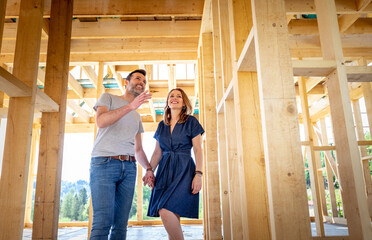
Building a home is one of the most significant investments a person can make. Unlike purchasing an existing property, home building allows homeowners to create a space tailored to their lifestyle, preferences, and long-term goals. From selecting the right layout to choosing durable materials, every stage of the construction process plays a major role in the outcome. A well-planned home building project not only improves comfort and functionality but also increases property value over time.
Modern home building has evolved far beyond simple construction techniques. Today’s homeowners are looking for energy efficiency, smart technology integration, flexible living spaces, and high-quality craftsmanship. Because of this, careful planning and informed decision-making are essential before construction even begins. Understanding the fundamentals of home building can help reduce delays, control costs, and ensure a smoother experience from start to finish.
One of the most important aspects of home building is creating a realistic budget. Many people focus only on the visible costs, such as labor and materials, but there are several additional expenses involved in the process. Site preparation, permits, inspections, utility connections, and design modifications can all affect the total project cost. Establishing a detailed financial plan early on helps homeowners avoid unexpected financial pressure later in the project. A strong budget should also include a contingency reserve for unforeseen issues that may arise during construction.
Choosing the right home design is another critical step in the building process. The layout should align with both current and future lifestyle needs. Open-concept floor plans remain highly popular because they create a spacious and connected living environment. However, many homeowners are also prioritizing multifunctional rooms that can adapt over time. Home offices, guest rooms, exercise spaces, and flexible storage areas have become increasingly important features in modern residential construction.
Several factors should be considered when designing a new home:
- Family size and future expansion needs
- Natural lighting and ventilation opportunities
- Energy efficiency and insulation quality
- Storage capacity and organization solutions
- Traffic flow between rooms and common areas
These considerations can significantly improve comfort, practicality, and long-term satisfaction with the finished home.
Location and lot preparation also play a major role in successful home building. Before construction begins, the property must be evaluated for drainage, soil stability, elevation, and accessibility. Poor site conditions can lead to foundation problems, water damage, or increased maintenance costs later on. Proper land preparation ensures the structure has a stable base and reduces the risk of future structural issues. Homeowners should also think about sun exposure, privacy, landscaping potential, and outdoor living opportunities when planning the placement of the home on the lot.
The foundation is one of the most essential structural components in home building. A strong foundation supports the entire structure and protects it from shifting, cracking, and moisture-related damage. Builders typically choose foundation types based on soil conditions, climate considerations, and home design. Slab foundations, crawl spaces, and basements each offer different benefits depending on the project requirements. Investing in quality foundation work is critical because structural repairs can become extremely expensive if issues develop after construction is completed.
Material selection is another major factor that affects the durability and appearance of a home. High-quality construction materials improve longevity, energy efficiency, and maintenance performance. Roofing, siding, windows, insulation, and flooring should all be selected with long-term value in mind rather than focusing only on initial cost savings. Durable materials may require a higher upfront investment, but they often reduce repair and replacement expenses over the years.
Energy-efficient home building practices have become increasingly important in residential construction. Homeowners are looking for ways to reduce utility costs while minimizing environmental impact. Energy-efficient homes are designed to maintain indoor comfort using less energy through improved insulation, ventilation systems, and efficient appliances. Smart home technology has also become a common feature in newly built homes, allowing homeowners to manage lighting, security, and climate control more effectively.
Some of the most valuable energy-efficient upgrades include:
- High-performance insulation systems
- Energy-efficient windows and doors
- Smart thermostats and climate controls
- LED lighting installations
- Solar-ready roofing systems
These features can improve monthly energy savings while increasing the overall market value of the property.
Communication during the home building process is extremely important. Clear coordination between homeowners, designers, contractors, and subcontractors helps prevent misunderstandings and costly delays. Construction projects involve many moving parts, and even small changes can affect timelines and budgets. Regular progress updates and detailed project schedules help maintain accountability throughout the process. Homeowners should also document all agreements, design selections, and modifications to reduce confusion during construction.
Quality control is another essential component of successful home building. Inspections should take place throughout various stages of construction to ensure all work meets safety standards and building requirements. Electrical systems, plumbing installations, roofing, framing, and insulation should all be carefully evaluated before the project progresses to the next stage. Early identification of issues allows corrections to be made before they become more complicated or expensive.
Exterior design is equally important because it affects both curb appeal and property protection. The exterior materials and architectural style should complement the surrounding environment while providing long-term durability. Roofing systems, siding materials, and drainage solutions must be able to withstand weather exposure and seasonal changes. Outdoor living areas such as patios, decks, and covered spaces can also improve functionality and increase the enjoyment of the property.
Interior finishing is where the home truly begins to reflect the homeowner’s personality and lifestyle. Cabinetry, countertops, flooring, paint colors, fixtures, and lighting all contribute to the overall aesthetic and comfort of the space. While visual appeal is important, functionality should remain a top priority during the selection process. Durable finishes and practical layouts help ensure the home remains comfortable and easy to maintain for years to come.
Home building projects also require patience and flexibility. Construction timelines can be affected by weather conditions, material availability, labor scheduling, and permit approvals. Delays are common in residential construction, which is why realistic expectations are important from the beginning. Staying organized and maintaining open communication throughout the process can help reduce stress and keep the project moving forward efficiently.
Ultimately, home building is about creating a space that supports comfort, functionality, and long-term value. A carefully planned construction project allows homeowners to personalize every aspect of their living environment while investing in quality and durability. From budgeting and design to material selection and final inspections, every phase contributes to the success of the finished home. With proper planning, skilled craftsmanship, and attention to detail, a newly built home can provide lasting satisfaction and serve as a valuable investment for many years ahead.